
Watching your dog explore fresh snow can be a real joy. From nose-diving into snowdrifts to chasing snowflakes, many dogs absolutely love the novelty of winter weather. But as magical as it looks, snow brings a few extra risks and things to keep in mind.
Here’s how to enjoy snowy adventures with your dog while keeping them safe, warm and well.
1. Limit Time Outdoors in Extreme Cold
Some dogs can handle the cold better than others. Breeds with thick coats, like Huskies or Newfoundlands, often enjoy it, but short-haired dogs, older dogs or small breeds may get cold quickly.
If it’s very cold or windy, keep walks shorter and more frequent. Watch for signs that your dog is getting too cold, such as shivering, lifting their paws or wanting to head home.
2. Protect Their Paws
Snow and ice can get stuck between your dog’s toes, causing discomfort. Grit and salt from roads and pavements can also irritate their paws or cause dryness and cracking.
What you can do:
-
Trim the fur between their pads to reduce snow build-up
-
Rinse or wipe their paws after walks to remove grit and chemicals
-
Apply a dog-safe paw balm for extra protection
-
Try dog boots if your dog will tolerate them
3. Be Careful with Snowballs and Ice
Some dogs love to eat snow, but too much can upset their stomach. Frozen snowballs or chunks of ice can also damage teeth or cause choking if swallowed.
Avoid letting your dog chew on frozen sticks or compacted snowballs. Instead, bring their own toys or play with snow in a controlled way, like gentle fetch games.
4. Visibility is Key
Snowy skies and shorter daylight hours can make it harder to spot your dog, especially if they have a light-coloured coat. Use high-visibility gear such as reflective collars, leads or a light-up tag.
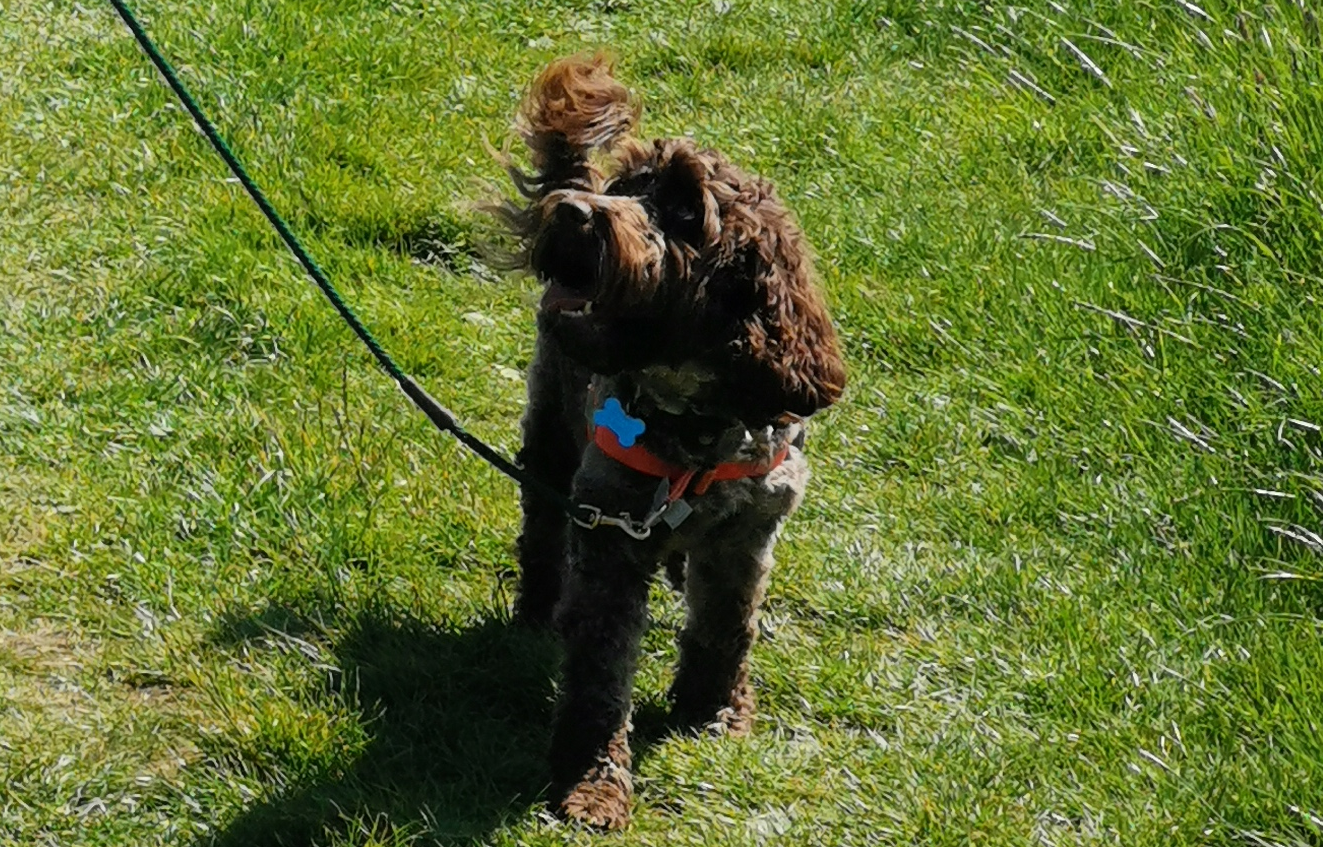
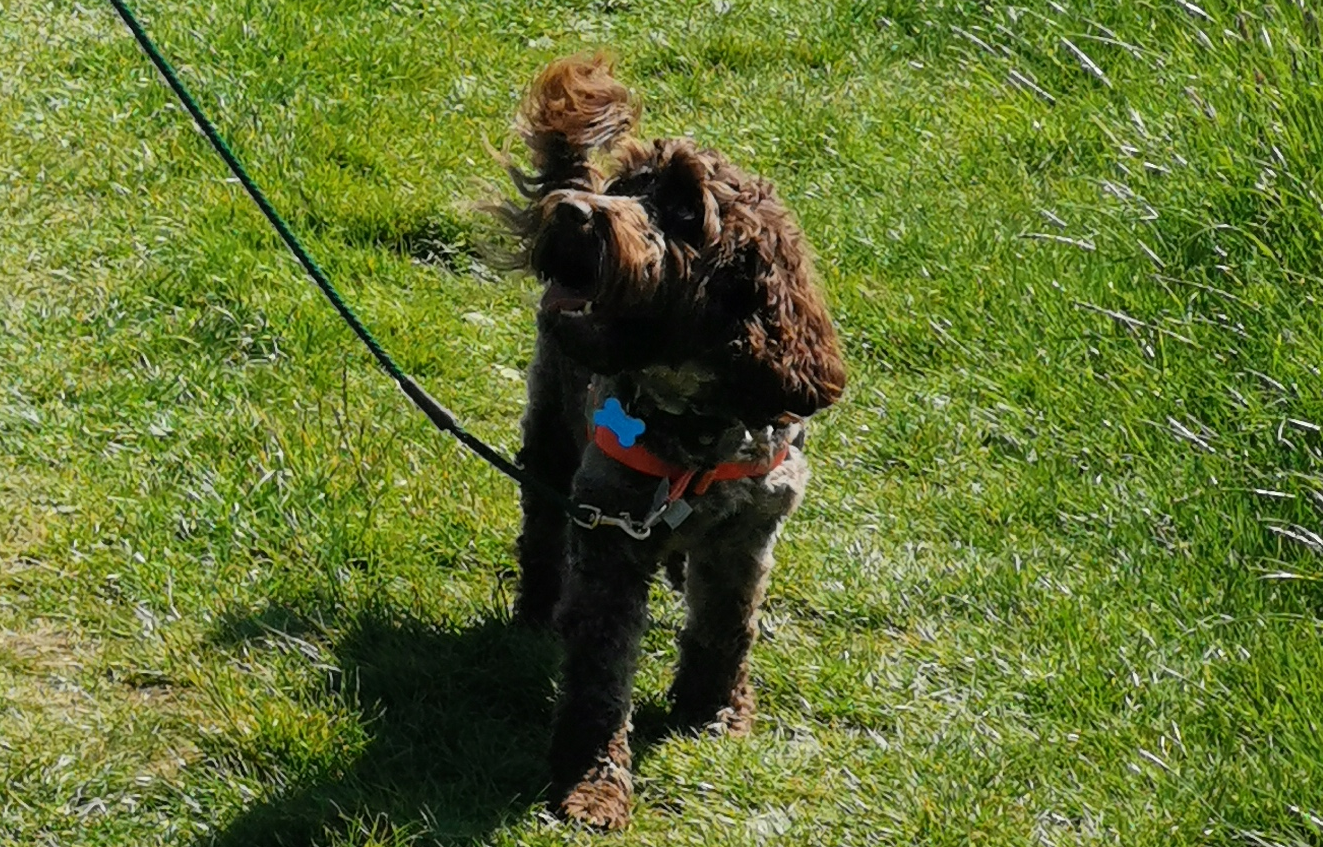
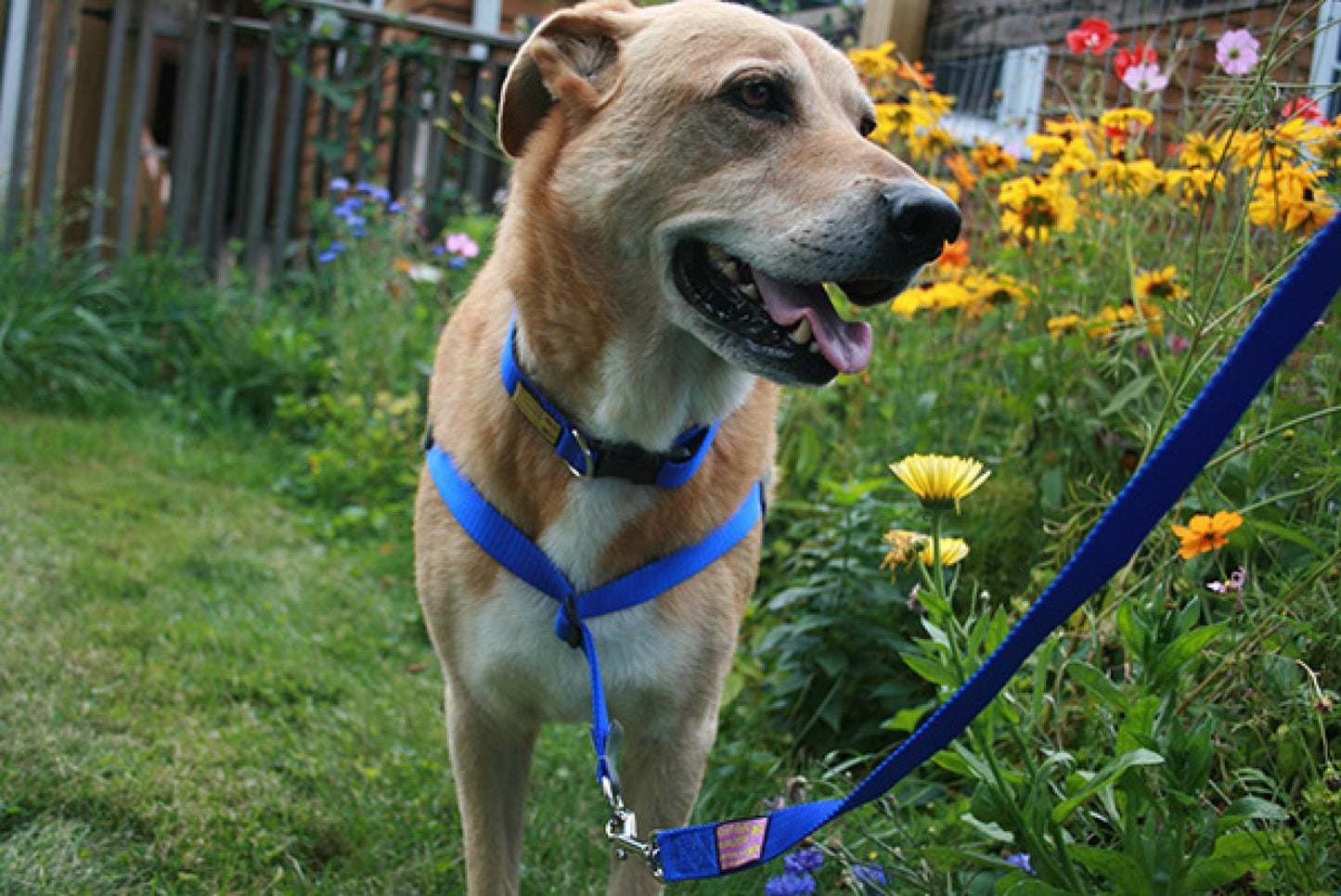
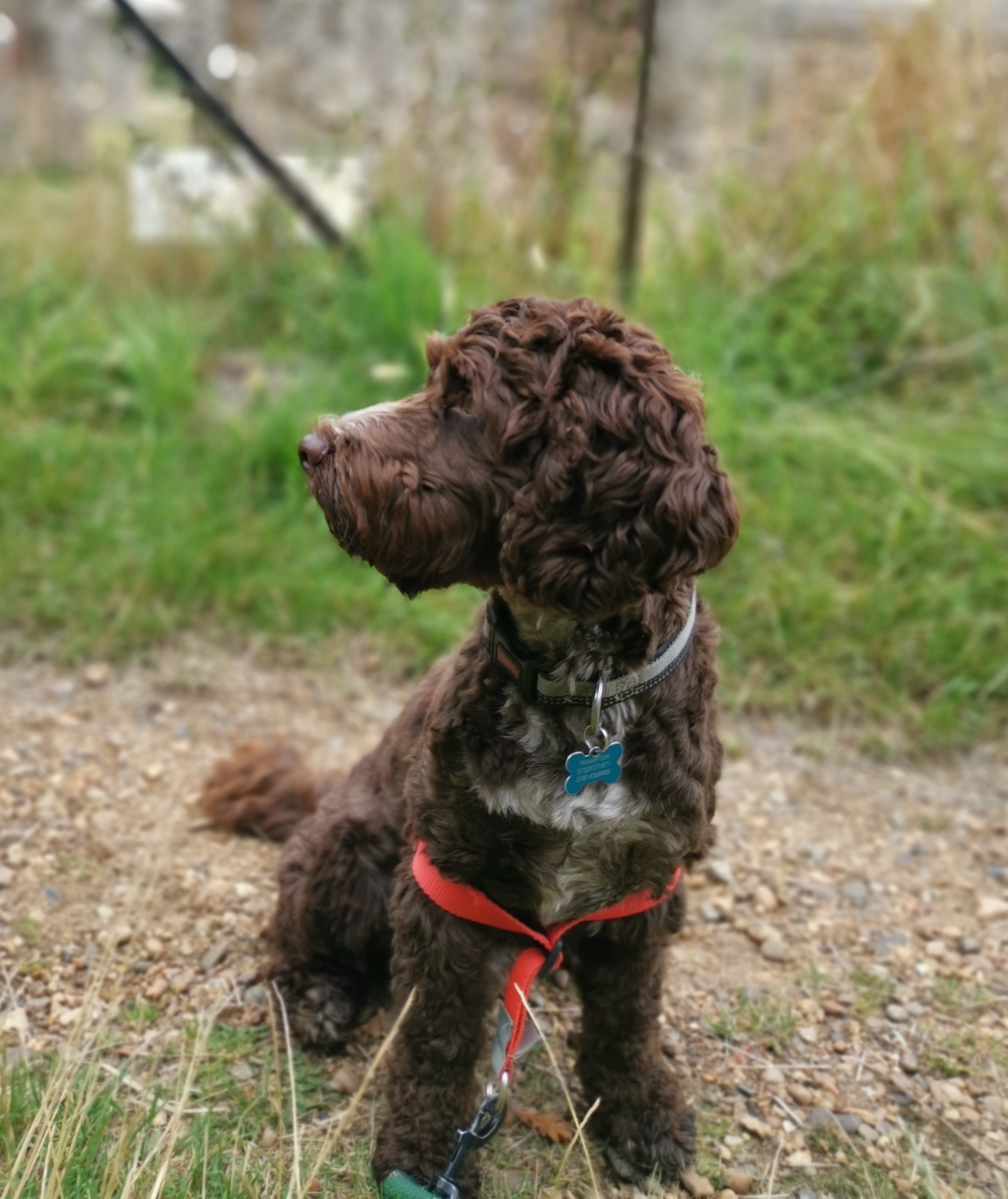
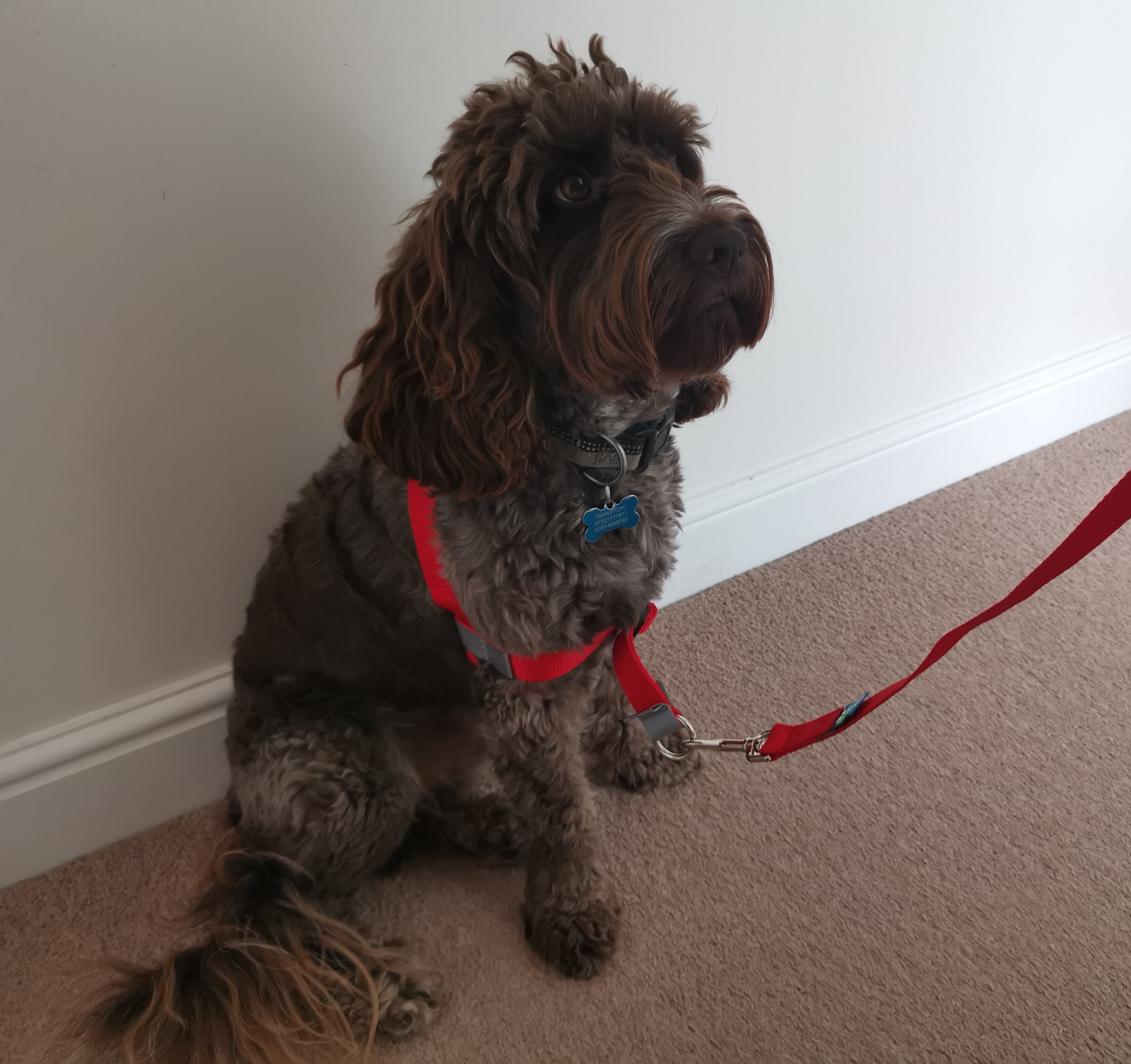
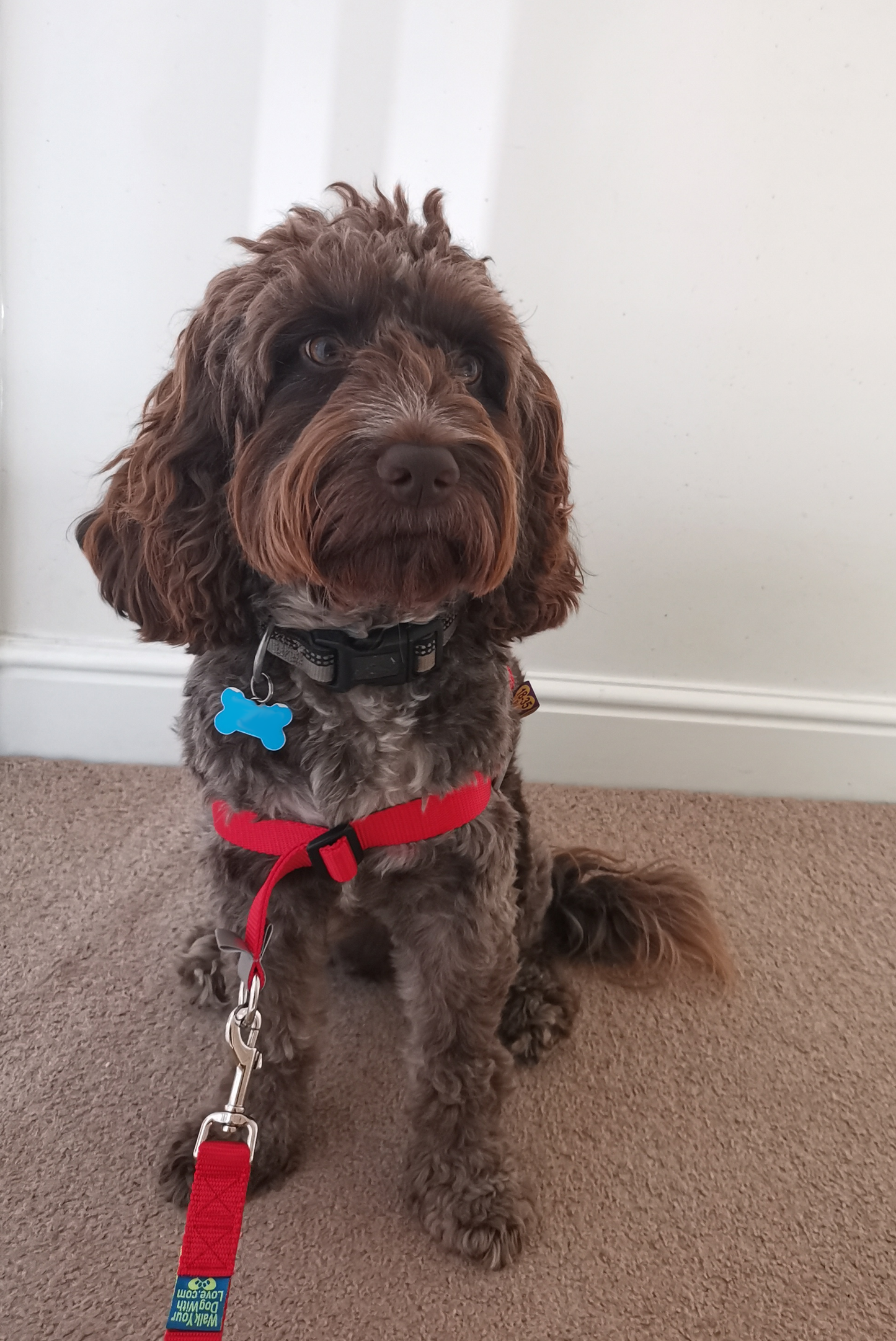
The Walk Your Dog With Love harness is a great winter option, especially in its reflective or bright colours. It gives you better control on slippery ground and helps keep your dog visible and safe in low-light conditions.
5. Dry Off After Walks
Always dry your dog thoroughly after snowy walks, especially their belly, legs and paws. This helps prevent chills and keeps them comfortable once they’re back indoors. Having a designated towel by the door makes this quick and easy.
For dogs with longer coats, check for clumps of snow or ice that may have gathered during the walk and gently remove them.
6. Keep an Eye on Energy Levels
Running through snow can be tiring. It gives your dog a good workout, but they may tire faster than usual. Let them rest when they need to and keep an eye on their energy levels.
Also, dogs burn more calories staying warm in cold weather, so a little extra food may be needed if they’re very active.
Final Thoughts
Snow can be a brilliant source of fun and enrichment for dogs, as long as a few precautions are taken. Dress for the weather, keep an eye on their comfort and enjoy the beauty of winter together.
From snow zoomies to snowy snuggles afterwards, these are the moments memories are made of. And with the right kit, like the Walk Your Dog With Love harness, you can make winter walks even safer and more enjoyable.